Preserving our Planet and Our History
At The Wright Museum, a guiding principle is a shared value that shapes how we care for people, place, and planet. Our Green Museum Principles, co-created in 2019 through Town Halls with elders, activists, staff, and community members, reflect our commitment to environmental justice rooted in African American history and culture. These principles guide everything—from partnerships and public programs to renovations and operations—ensuring our sustainability work moves at the speed of trust. Together, they affirm that cultural stewardship is environmental stewardship—and that our museum is a living, evolving space for collective care, resilience, and generational learning.
How These Principles were Co-Created
The Green Museum Principles were co-created through deep listening and collective reflection during The Wright’s inaugural Green Museum Townhall in November 2019. Community members, which include elders, neighbors, children, cultural practitioners, designers, makers, educators, activists, sustainability partners and staff gathered to share stories, lived experiences, and values connecting African American history with the natural environment. Rather than prescribing solutions, the museum held space for dialogue—asking what stewardship, care, and resilience look like when rooted in Black memory and place. These principles emerged organically from that process and continue to be revisited, tested, and strengthened through ongoing collaboration, including the 2025 Green Museum Townhall, as part of a living, community-driven green museum framework.
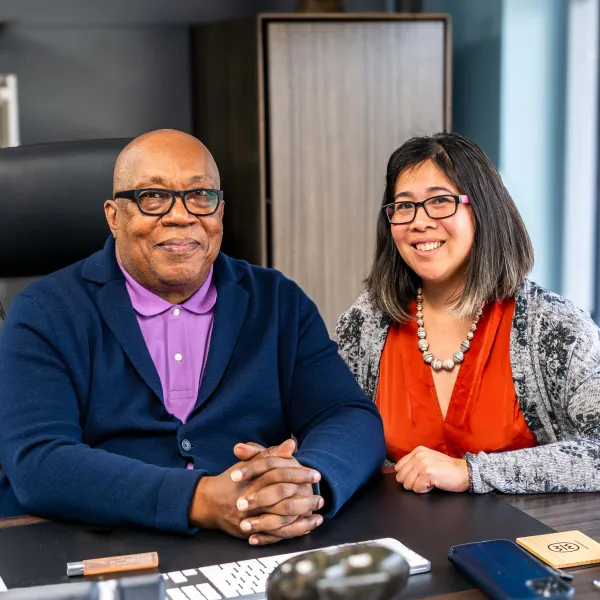
“Museums are one of the last places where people come to slow down together. That’s why we ground our work in co-created Green Museum Principles—so care, culture, and climate can align in every step we take.”
Green Museum Guiding Principles
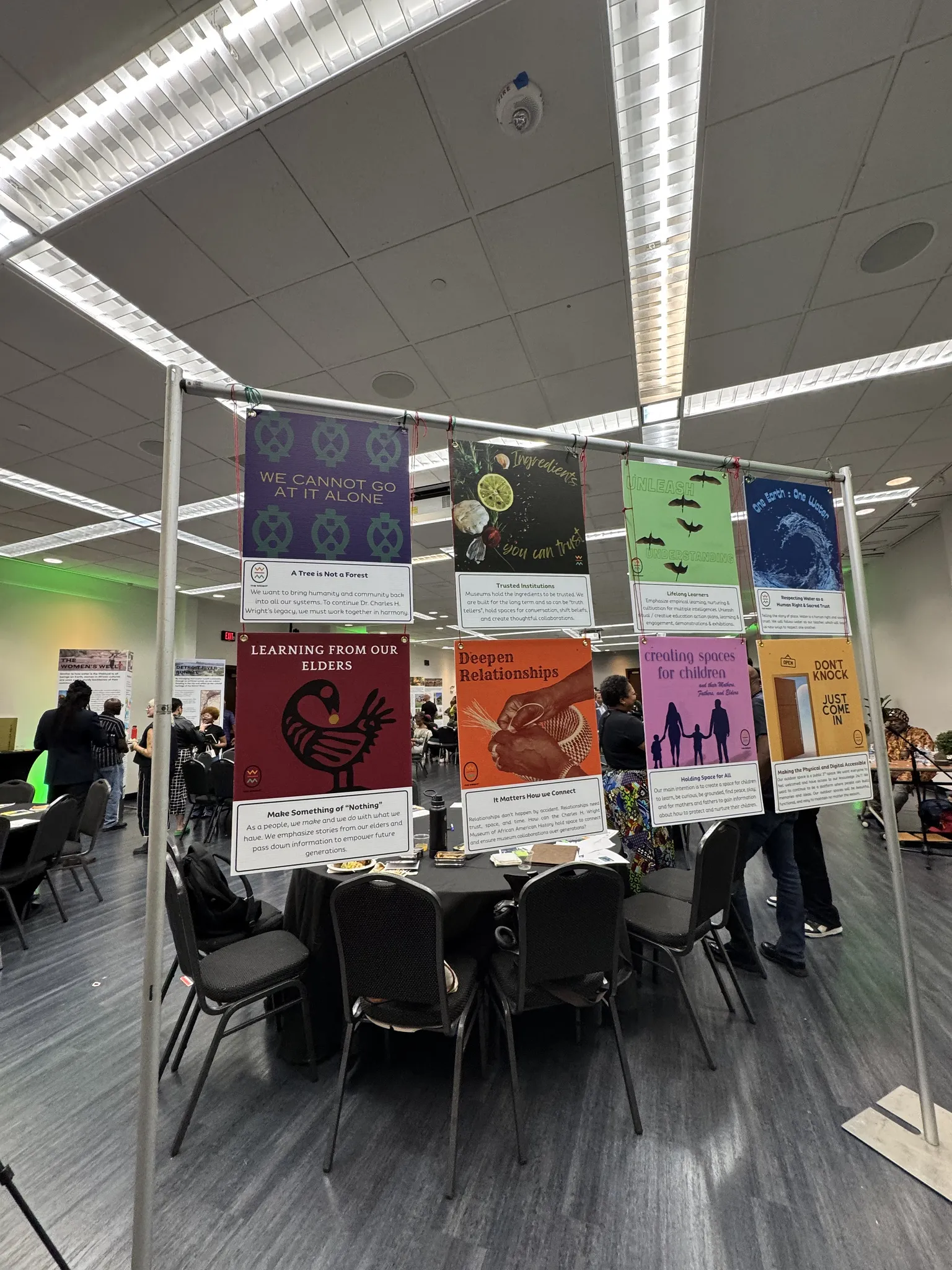
- One Water; As a Human Right & Sacred Trust
One Earth. One Water; Respecting Water as a Human Right & Sacred Trust
Telling the story of place. Water is a human right and sacred trust. We will follow water as our teacher, which will teach us new ways to respect one another.
- Deepen Relationships
It Matters How We Connect
Relationships don’t happen by accident. Relationships need trust, space, and time. How can the Charles H. Wright Museum of African American History hold space to connect and ensure museum collaborations over generations?
- Don’t Knock, Come In
Making the Physical and Digital Accessible
Our outdoor space is a public 3rd space. We want everyone to feel welcomed and have access to our knowledge 24/7. We want to continue to be a platform where people can build memories and ideas. Our outdoor spaces will be beautiful, functional, and easy to maintain no matter the season.
- Learn from Our Elders
Making Something out of "Nothing"
As a people, we make and we do with what we have. We emphasize stories from our elders and pass down information to empower future generations.
- Creating spaces for children
Holding Space for All
Our main intention is to create a space for children to learn, be curious, be grounded, find peace, play; and for mothers and fathers to gain information about how to protect and nurture their children.
- Unleash Understanding
Lifelong Learners
Emphasize empirical learning, nurturing & cultivation for multiple intelligences. Unleash ritual / creative education action plans, learning & engagement, demonstrations & exhibitions.
- Ingredients You can Trust
Trusted Institutions
Museums hold the ingredients to be trusted. We are built for the long term and so can be “truth tellers”, hold spaces for conversation, shift beliefs, and create thoughtful collaborations.
- We Cannot Go at it Alone
A Tree is Not a Forest
We want to bring humanity and community back into all our systems. To continue Dr. Charles H. Wright’s legacy, we must work together in harmony.
Guiding Principles in Action
Our Green Museum Principles actively shape how we care for people, place, and the planet. They are embedded across projects, from exhibitions to operations, and serve as a check-in for every major decision. These principles help us move from intention to impact.
A few examples of how we're using our guiding principles in action:
- Honoring water and land
- Centering community voice in planning
- Linking climate education as a culture
- Forming partnerships and grants based on shared principles
- Greening internal policies and museum practices
- Defining success through care and impact
These principles guide action—and remind us who we’re accountable to. Together, they position the museum as a trusted civic space—one that nurtures care, resilience, creativity, and collective responsibility while extending the museum’s mission beyond its walls and into the natural environment.
Guiding Principles


