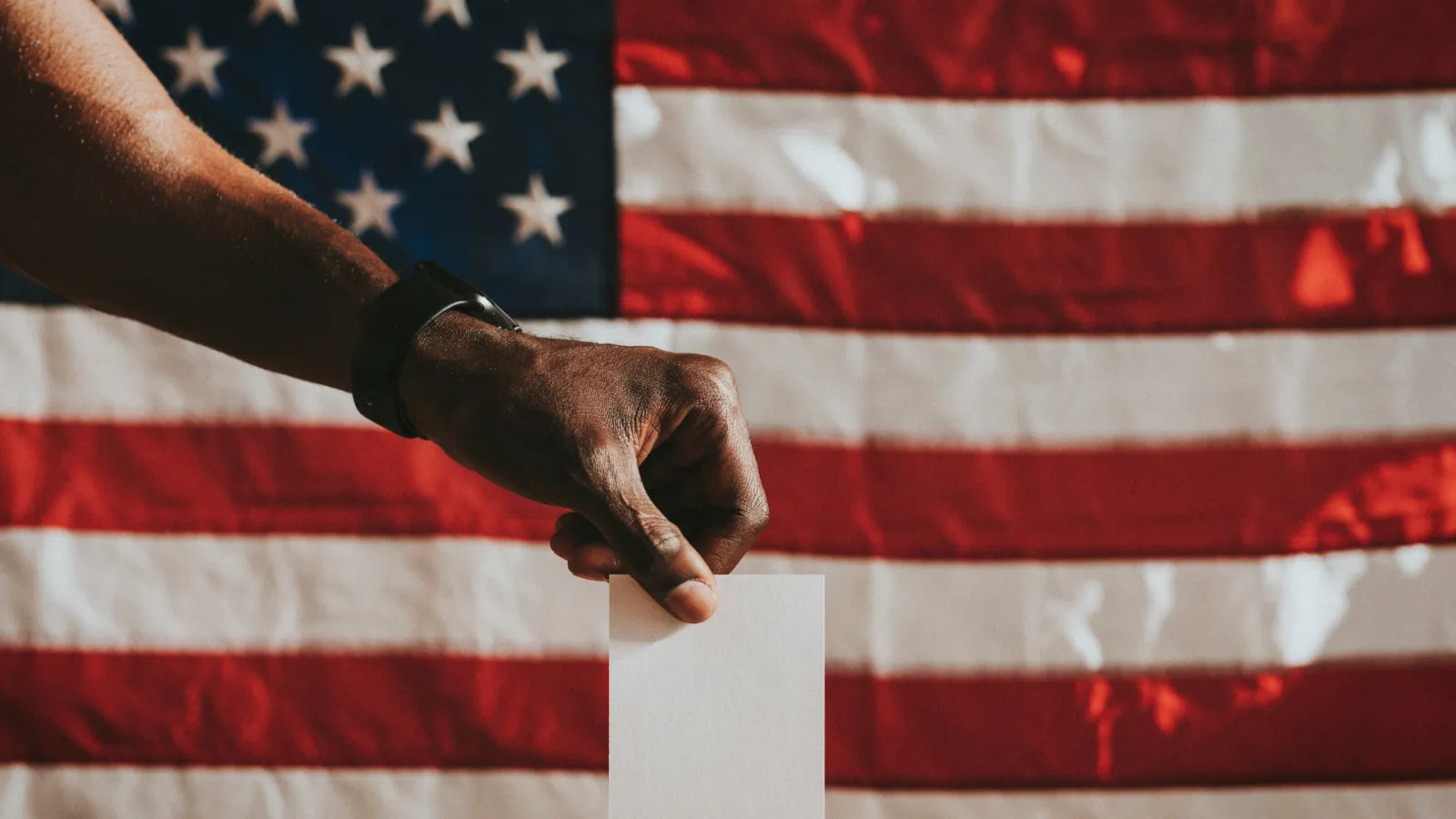
Who Votes: Making Your Voice Count
An Interactive Exploration of Voting and the Election Process
Elections are decided by the people who show up. Every vote is a voice in decisions about schools, safety, taxes, healthcare, and the future of a community. A Deeper Dive: Who Votes? is an interactive workshop that explores why voting matters and gives participants the tools and practice to do it with confidence.
Why Voting Matters
We start with a big question: who votes, and who doesn't? Participants look at how turnout differs across communities and backgrounds, and what happens when some voices go unheard. Local elections, ballot proposals, and close races show how much a single vote can matter, and what is at stake when people stay home.
Break Down the Ballot
Participants work through a sample ballot line by line and learn to:
- Read every section, from federal, state, and local offices to judicial races, ballot proposals, and millages
- Decode confusing language, including what "yes" and "no" actually mean on a proposal
- Research candidates and issues using reliable, nonpartisan sources
- Navigate the process, including registration, early, absentee, and in-person voting, what to bring, and what to expect at the polls
Who Should Attend
Anyone who wants to understand the ballot and the power of their vote, especially first-time voters and those who have never felt sure where to start. No experience needed. The workshop is fully nonpartisan: the goal is confidence, not persuasion.
Take It With You
Every participant leaves with a voting checklist covering registration, key deadlines, and trusted resources, plus a challenge: bring one person with you to the polls.
Cost: Free
Program Schedule
● 1:00 - 2:00 PM – ‘Who Votes?’ exhibit
● 2:00 PM – Lecture with Dr. Stacey Deering
● 2:30 PM - 3:00 PM – Breaking Down the Ballot
Who Votes?
Who Votes? is a contemporary art exhibition exploring the civic duty of voting and its relationship to the Electoral College.
The Electoral College is a process for electing the United States President and Vice President. Citizens do not elect them directly. When they cast their vote, they are really voting for electors who will, in turn, elect the president and vice-president on their behalf. Based on this system, established in 1787, who really votes?
Divided into seven sections, Who Votes? outlines the key components of the Electoral College and presents the current pros and cons that are being debated today. Who Votes? features new works by Detroit-based artists Josue Bessiake, Ozell Gothard, and Naomi Sharp.